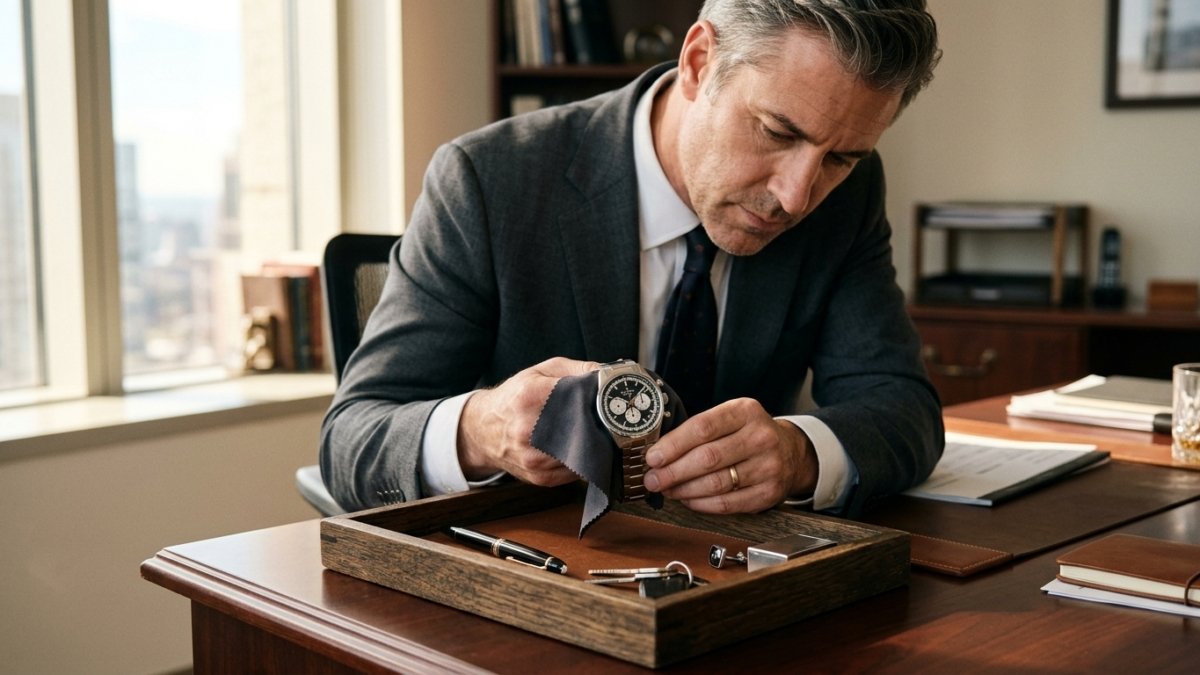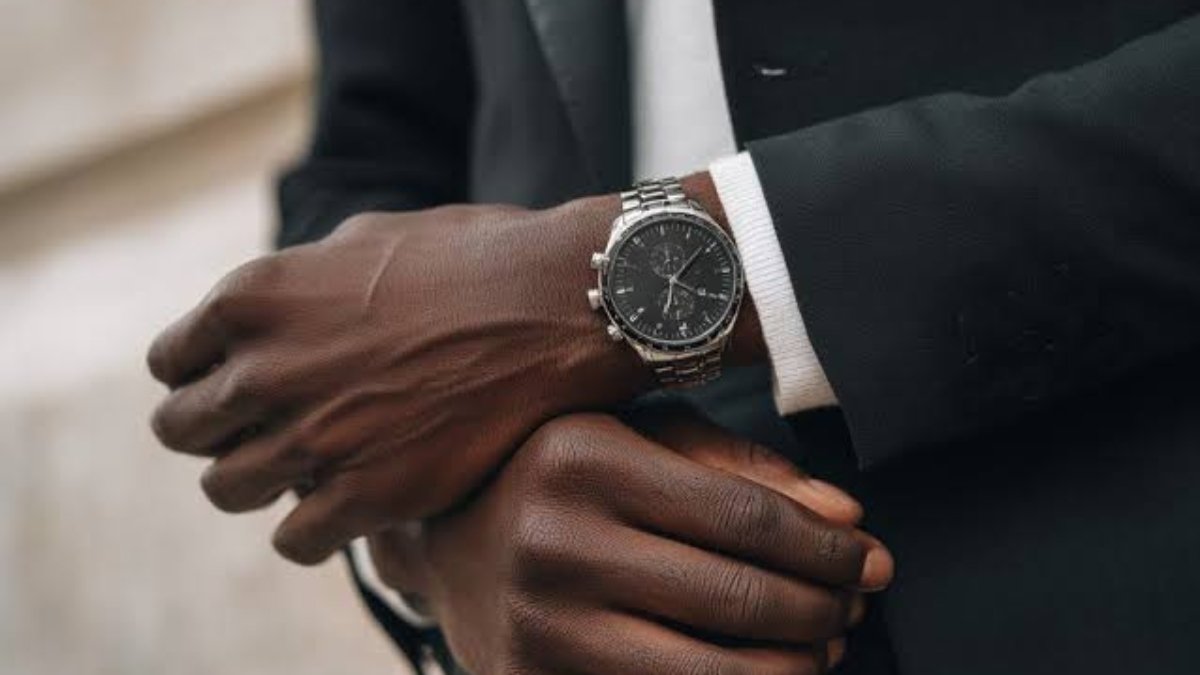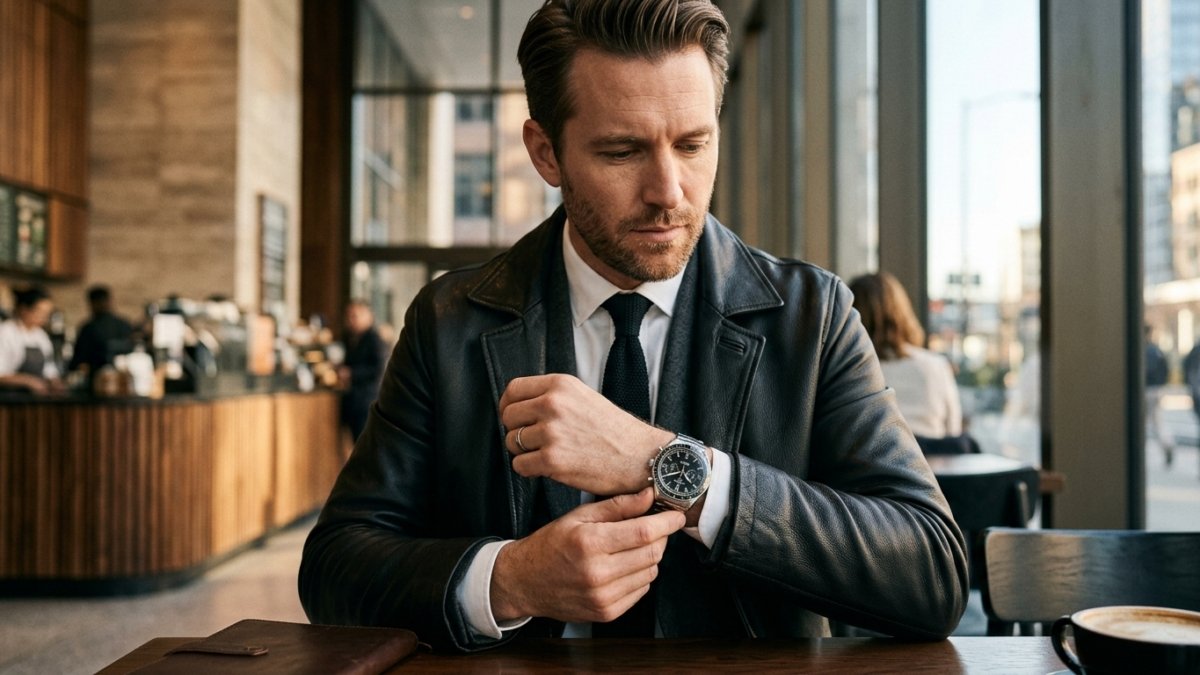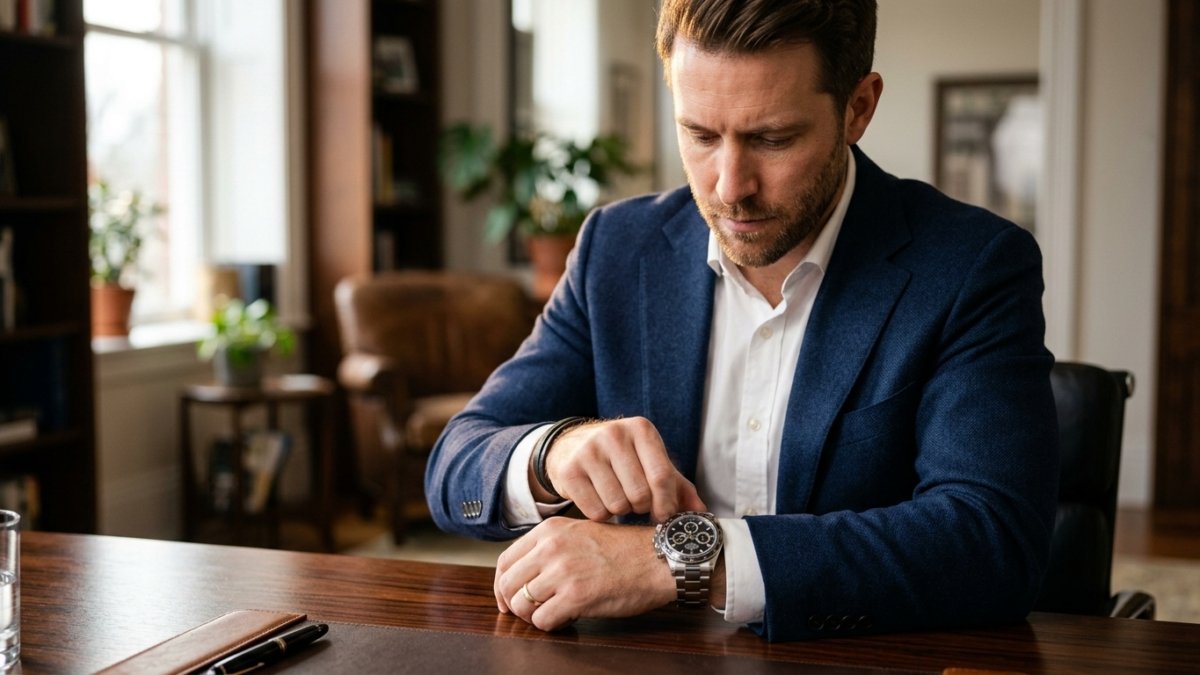

Text: Executive wearing 316L stainless steel watches with a chronograph dial.

316L Stainless Steel Watches: Why It Is the Gold Standard

Quick Answer: Looking for maximum longevity and everyday elegance? 316L stainless steel watches represent the absolute benchmark in horology. Known as surgical steel, 316L contains 2% to 3% molybdenum, making it resistant to saltwater, human sweat, and pitting corrosion. It provides hypoallergenic comfort, retains a high polish, and delivers true luxury performance.

Maison Montignac+ 1

When selecting a high-quality timepiece, case construction matters just as much as movement accuracy. Why do premier watchmakers and discerning collectors consider 316L stainless steel watches the undisputed gold standard for wristwear?

VIEREN

At Zytic Store, we inspect dozens of metal alloys, bracelet links, and finishing techniques every season. In our hands-on evaluation, no other metal strikes the same harmony between rugged durability, skin safety, and accessible luxury as 316L steel.

Whether you are building an executive wardrobe, purchasing a gift, or selecting your next sport chronograph, understanding steel metallurgy helps you make a smarter investment.

Why Is 316L Stainless Steel the Benchmark for Watchmaking?

Not all steel alloys perform equally under daily wear. Standard consumer goods often rely on basic 304-grade steel. While 304 steel costs less to manufacture, it lacks resistance against harsh elements. Over time, exposure to moisture and skin acidity leads to microscopic pitting and surface dullness on lower-grade cases.

VIEREN

In contrast, 316L is a low-carbon, marine-grade austenitic steel alloy. Its secret lies in a specific chemical recipe:

Maison Montignac

  • Molybdenum (2% – 3%): Protects against chloride corrosion from seawater, swimming pools, and body sweat.
  • Chromium (16% – 18%): Forms an invisible, self-healing passive oxide film that blocks rust.
  • Nickel (10% – 14%): Enhances structural toughness and gives the metal a deep, warm metallic luster.
  • Low Carbon Content (“L”): Prevents intergranular corrosion during welding, shaping, and high-heat polishing.

According to technical analysis by horological metallurgists at Maison Montignac, this exact low-carbon composition ensures that components retain structural integrity through decades of continuous wear.

+------------------+-----------------------+---------------------------------------+
| Steel Grade      | Key Additive          | Primary Performance Characteristic     |
+------------------+-----------------------+---------------------------------------+
| 304 Standard     | Chromium + Nickel     | Basic rust resistance; prone to sweat |
| 316L Surgical    | 2-3% Molybdenum       | Saltwater/sweat proof; hypoallergenic |
| 904L Superalloy  | Higher Nickel/Copper  | Extreme acid resistance; expensive    |
+------------------+-----------------------+---------------------------------------+

Is 316L Stainless Steel Safe for Sensitive Skin?

Yes, 316L steel is widely recognized as surgical-grade and hypoallergenic. Skin irritation from lower-quality watches occurs when trace metals leach out due to sweat breakdown.

Maison Montignac

Because 316L holds nickel tightly within its crystalline lattice structure, the rate of nickel release remains far below safety thresholds set by international health standards. You can wear your watch through intense workouts, tropical heat, or long office hours without experiencing redness, itching, or discoloration.

How Does 316L Steel Compare to 904L and Titanium?

Watch buyers frequently ask whether upgrading to ultra-expensive metals is necessary for daily use. Here is how 316L compares to other common materials in the horological market:

316L Steel vs. 904L Steel

Rolex famously uses 904L steel. While 904L offers slightly higher resistance to strong acids, it is significantly harder to machine and far more expensive to produce. For everyday luxury, executive meetings, and weekend sports, 316L delivers identical real-world protection at a fraction of the retail cost.

Timepiece Bank+ 2

316L Steel vs. Titanium

Titanium is lighter, but it scratches more easily than stainless steel and carries a darker, matte grey hue. 316L steel provides that reassuring, substantial weight on the wrist that most men prefer. Furthermore, 316L takes mirror polishing and brushed satin treatments much better than titanium.

The Decision Framework: How to Select Your Ideal Wristwatch

Selecting the right watch requires matching material quality with function, size, and lifestyle. At Zytic Store, we recommend using this four-step evaluation process before adding a timepiece to your collection:

  1. Check Case Metallurgy: Ensure the watch case and bracelet links use solid 316L stainless steel rather than plated alloy base metals.
  2. Verify Crystal Protection: Pair your steel case with hardened Hardlex or synthetic sapphire glass to protect the dial face against scratches. VIEREN
  3. Confirm Water Resistance: Match your water rating (measured in ATM or meters) to your daily activities. CLD·Design
  4. Proportion the Wrist Fit: Choose a lug-to-lug distance and case diameter that complements your wrist circumference.

Wrist Sizing Guide for Men

Wrist CircumferenceRecommended Case DiameterBest Watch Style
6.0 – 6.5 inches (15–16 cm)38mm – 40mmClassic Dress, Slim Quartz
6.5 – 7.2 inches (16.5–18 cm)40mm – 42mmChronograph, Everyday Steel
7.2 – 8.0+ inches (18.5–20+ cm)42mm – 45mmTactical Sports, Diver Style

You can explore full sizing options across our curated men’s watches collection, where every model features precision-engineered cases designed for lasting comfort.

Understanding Water Resistance Ratings and Standards

A robust 316L steel case protects the internal movement, but gaskets and crowns determine water security. Horology standards governed by ISO 22810 establish official testing procedures for water-resistant timepieces.

CLD·Design

  • 3 ATM / 30 Meters: Resists accidental rain splashes and hand washing.
  • 5 ATM / 50 Meters: Suitable for surface swimming, showering, and rain exposure.
  • 10 ATM / 100 Meters: Designed for recreational swimming, snorkeling, and water sports. CLD·Design

Pairing solid 316L steel with a reliable Japanese quartz or automatic movement ensures your watch keeps accurate time down to ±15 seconds per month, regardless of weather or climate fluctuations.

How to Maintain and Clean Your 316L Stainless Steel Watch

Although 316L steel resists rust and corrosion, dirt and skin oils can collect in bracelet links over time. Follow this practical maintenance checklist every month to keep your watch looking brand new:

Timepiece Bank

  1. Inspect the Crown: Ensure the winding crown is fully pushed in or screwed down before cleaning.
  2. Prepare a Gentle Solution: Mix lukewarm water with two drops of mild dish soap in a small bowl.
  3. Clean the Surfaces: Use a soft-bristled microfiber brush to gently scrub the bracelet links, clasp, and case edges.
  4. Rinse Thoroughly: Wipe away soapy residue using a clean cloth damp with fresh water.
  5. Dry and Polish: Buff the entire watch with a dry microfiber polishing cloth to restore its original luster.

If you wear matching wristwear with your partner, our luxury couple watch sets share the same high-grade 316L steel construction, making maintenance effortless for both timepieces.

Frequently Asked Questions

Will a 316L stainless steel watch rust over time?

No, 316L steel will not rust under normal wearing conditions. Its molybdenum and chromium content forms a protective barrier against moisture, sweat, and saltwater. Simple routine cleaning with fresh water keeps the metal pristine.

Timepiece Bank+ 2

Can 316L stainless steel watches be polished if scratched?

Yes, minor surface scratches on 316L steel can be polished out easily. A professional jeweler or watchmaker can restore brushed satin or high-shine mirror finishes without weakening the structural integrity of the case.

Is 316L stainless steel heavier than standard watch metals?

316L steel has a balanced, solid feel on the wrist. It is heavier than resin or hollow base metals, giving it a premium weight, but lighter than precious metals like solid gold or platinum.

VIEREN

What makes 316L steel better than 304 steel for watches?

316L contains added molybdenum, whereas 304 does not. Molybdenum drastically improves resistance to chloride corrosion caused by human sweat and marine environments, making 316L the superior choice for wristwear.

Maison Montignac

Are 316L stainless steel watches suitable for everyday wear?

Absoltely. 316L stainless steel offers the perfect combination of scratch resistance, tensile strength, and corrosion protection. It transitions seamlessly from athletic sports settings to formal suit-and-tie environments.

Timepiece Bank+ 1

Why choose quartz movements in a 316L steel case?

Quartz movements provide exceptional timekeeping accuracy (often within ±15 seconds per month) with minimal maintenance. Housed inside a sealed 316L steel case, a quartz watch offers high shock resistance, long battery life, and outstanding everyday value.

Upgrade Your Daily Style with Zytic Store

A wrist watch is more than a tool for telling time—it is an expression of personal taste, discipline, and attention to detail. By choosing 316L stainless steel watches, you invest in a timepiece built to endure daily wear while maintaining its refined aesthetic for years to come.

Timepiece Bank

At Zytic Store, we curate premium timepieces designed for modern professionals who demand quality without compromise. From crisp executive chronographs to elegant crystal timepieces, every watch in our catalog undergoes rigorous quality checks.

Ready to find your next timepiece? Browse the Zytic Store Collection Today or contact our team on WhatsApp for personalized buyer guidance!


A gentlewoman adjusting the crown of a luxury watch, demonstrating water resistance ratings explained in daily wear.

: Water Resistance Ratings Explained: What 3 ATM, 5 ATM & 10 ATM Mean

Quick Answer: Water resistance ratings indicate static laboratory pressure rather than depth limits. A 3 ATM (30m) rating withstands minor splashes and rain. A 5 ATM (50m) rating handles light swimming and showering. A 10 ATM (100m) rating protects against recreational swimming, snorkeling, and water sports.

CASIO+ 3

At Zytic Store, we inspect every timepiece to ensure style meets real-world durability. Many watch buyers assume a 30-meter water resistance stamp allows deep underwater diving. However, static pressure tests in lab settings differ significantly from moving water in everyday life.

CASIO

Understanding how water resistance ratings function helps protect your investment. Whether you are shopping for refined men’s quartz watches or elegant women’s crystal timepieces, knowing these benchmarks guarantees your timepiece lasts for years.Adjusting the crown on a luxury chronograph, AI generated

Adjusting the crown on a luxury chronograph. Source: iStock

How Are Watch Water Resistance Ratings Measured?

Watch manufacturers test water resistance using static atmospheric pressure. One atmosphere (1 ATM) equals the air pressure exerted at sea level, roughly 10 meters (33 feet) of static water depth.

CASIO+ 1

According to the international ISO 22810 Water Resistance Standard, watches undergo overpressure and thermal shock tests under still water. Swimming or waving your wrist introduces dynamic pressure. Therefore, static depth numbers do not equal actual diving limits.

CLD·Design+ 1

RatingStatic DepthReal-World ExposureSafe Activities
3 ATM / 3 BAR30 Meters (98 Ft)Light splashes, rain, sweatHandwashing, rain commutes
5 ATM / 5 BAR50 Meters (164 Ft)Moderate water submersionShallow swimming, showering
10 ATM / 10 BAR100 Meters (328 Ft)High dynamic water pressureSnorkeling, swimming, water sports

What Does a 3 ATM Watch Rating Mean for Daily Wear?

A 3 ATM rating protects your timepiece from accidental liquid exposure. Raindrops, wrist perspiration, and routine handwashing will not harm the internal quartz movement.

RF Wireless World

However, 3 ATM watches are not waterproof. Never wear a 3 ATM dress watch in a swimming pool or shower. Submerging the watch creates pressure forces that exceed rubber gasket limits.

RF Wireless World+ 2

┌─────────────────────────────────────────────────────────────┐
│                 3 ATM / 30 METERS (SPLASH PROOF)            │
├──────────────────────────────┬──────────────────────────────┤
│ ✅ SAFE                      │ ❌ AVOID                     │
│ • Rain & mists  │ • Swimming pools │
│ • Hand washing │ • Hot showers  │
│ • Daily sweat  │ • Diving or submersion │
└──────────────────────────────┴──────────────────────────────┘

Can You Swim with a 5 ATM Water-Resistant Watch?

A 5 ATM watch handles surface water immersion comfortably. You can wear it during shallow pool sessions or while washing your car without concern.

RF Wireless World+ 1

Therefore, 5 ATM serves as an ideal baseline for versatile everyday timepieces. Synthetic rubber gaskets around the caseback and crown block ambient moisture effectively. Still, high-velocity water sports or deep diving remain off-limits.

RF Wireless World

Is a 10 ATM Rating Worth It for Active Lifestyles?

A 10 ATM timepiece offers complete lifestyle freedom for water enthusiasts. It withstands dynamic water motion during snorkeling, surfing, and vigorous swimming.

mibrofit+ 1

Many 10 ATM tactical and sports timepieces incorporate screw-down crowns and 316L stainless steel cases. These structural enhancements prevent pressure surges from forcing water inside. Consequently, 10 ATM watches represent the ultimate balance between luxury aesthetics and active durability.

Watch Water Resistance Care Checklist

Maintaining case seals requires consistent habit control over time. Follow this checklist to keep internal gaskets intact:

  • Inspect Crown Position: Always push or screw the crown down completely before water exposure.
  • Avoid Hot Water & Steam: Steam from hot showers expands metal cases and compromises rubber seals. WatchXL Watches
  • Rinse Off Salt & Chlorine: Wash timepieces with fresh water after ocean swimming to clear corrosive salt.
  • Never Operate Buttons Underwater: Pressing chronograph pushers underwater breaks gasket alignment instantly.
  • Service Gaskets Periodically: Replace internal rubber seals every 2 to 3 years during battery changes.

At Zytic Store, our luxury timepieces blend durable 316L stainless steel, precision Japanese quartz movements, and reliable water resistance standards. Browse our curated selection to find your ideal balance of sophistication and performance. For tailored product guidance, reach out to our team via WhatsApp today!

Frequently Asked Questions

What is the difference between water-resistant and waterproof?

No wristwatch is completely waterproof under all environmental conditions. Horological standards use the term “water-resistant” alongside specific ATM pressure limits to define safe operating boundaries.

RF Wireless World+ 1

Can I wear my 3 ATM watch in the shower?

No, you should avoid wearing a 3 ATM watch in the shower. Shower soap lowers surface tension, while warm water heat expands metal components, allowing vapor inside.

WatchXL Watches

Does pulling out the watch crown affect water resistance?

Yes, pulling out the crown opens a direct path into the watch movement. Always ensure the crown sits flush or is fully screwed down before any moisture exposure.

How often should watch water resistance seals be tested?

Water resistance seals should undergo testing every 24 to 36 months. Age, extreme temperatures, and chemical exposure naturally cause rubber gaskets to degrade over time.

CASIO

Why does condensation form inside my watch crystal?

Condensation forms when trapped moisture cools rapidly against the inner crystal surface. If fogging persists longer than one minute, consult a watch technician immediately to dry internal components.

Stylish gentleman adjusting his dress watch to match watch metals with suit accessories and cufflinks.

How to Match Watch Metals with Suit Accessories: A Men’s Guide

A dress watch is the cornerstone of tailored menswear. However, many gentlemen unknowingly undermine an expensive suit by pairing mismatched hardware. Learning how to match watch metals with suit accessories elevates your personal presentation from ordinary to refined.

Whether you are preparing for a high-stakes board meeting, a formal black-tie gala, or a wedding, understanding metal visual harmony is essential. At Zytic Store, we carefully curate timepieces engineered with premium materials like 316L stainless steel, PVD gold plating, and scratch-resistant mineral crystals to ensure every outfit makes an impact.

In this definitive guide, we break down exact metal pairing rules, cufflink coordination, and leather belt alignment so you can step out with absolute sartorial confidence.

What Is the Golden Rule of Matching Watch Metals?

The fundamental principle of men’s watch etiquette is simple: keep your hardware in the same color family.

Your wrist watch, belt buckle, cufflinks, tie bar, and metal collar stays should share a uniform visual tone. Mixing vibrant yellow gold cufflinks with a cool brushed silver watch case creates competing visual focal points.

  +------------------+-------------------+------------------+
  | Watch Metal Tone | Primary Accessories | Suit Color Pair  |
  +------------------+-------------------+------------------+
  | Stainless Steel  | Silver, Chrome    | Charcoal, Navy,  |
  | / Platinum       | White Gold        | Slate, Black     |
  +------------------+-------------------+------------------+
  | Yellow Gold /    | Brass, Solid Gold | Earth Tones, Tan,|
  | Gold PVD         | Gilded Buckles    | Olive, Warm Navy |
  +------------------+-------------------+------------------+
  | Rose Gold        | Warm Bronze, Copper| Burgundy, Charcoal,|
  |                  | Rose Accessories  | Midnight Blue    |
  +------------------+-------------------+------------------+
  | Two-Tone         | Gold & Silver     | Highly Versatile |
  | (Gold & Silver)  | Mixed Hardware    | All Suit Colors  |
  +------------------+-------------------+------------------+

Can You Ever Mix Metals in Formal Menswear?

While single-tone cohesion is standard for conservative formal settings, subtle blending is permissible if done intentionally. Two-tone timepieces—combining silver and gold hardware—serve as a bridges between contrasting metal accessories.

Timezone Watches

Curator’s Note: Wedding bands are the sole exception to strict metal matching. A solid yellow gold or platinum wedding ring is considered a permanent personal sentiment rather than a temporary fashion accessory. You never need to swap your wedding ring to match your watch.

How to Match Specific Watch Metals with Tailored Suits

Different metal finishes convey distinct levels of formality and warmth. Here is how to select the right timepiece for your suit fabric and tone.

1. Stainless Steel & Silver Finish

Stainless steel is the most versatile and durable metal tone in modern horology. At Zytic Store, our dress watch collection utilizes 316L surgical-grade stainless steel, renowned for its superior corrosion resistance and hypo-allergenic properties.

  • Best Suit Colors: Charcoal gray, deep navy blue, cool slate, and classic black tuxedos.
  • Accessory Pairings: Polished sterling silver cufflinks, brushed chrome tie bars, and polished silver belt buckles.
  • When to Wear: Corporate boardrooms, executive presentations, and evening galas.

2. Yellow Gold & Warm PVD Gold

Yellow gold exudes classic luxury and traditional sophistication. Modern accessible luxury watches feature Physical Vapor Deposition (PVD) gold plating, offering lasting brilliance without rapid surface wear.

  • Best Suit Colors: Navy blue, forest green, warm chocolate brown, and camel suits.
  • Accessory Pairings: Brass cufflinks, polished gold tie clips, and gold-trimmed belt buckles.
  • When to Wear: Formal weddings, anniversary dinners, and celebratory events.

3. Rose Gold Finishes

Rose gold offers a subtle, modern alternative to yellow gold. The addition of copper alloys gives rose gold a warm hue that flatters every skin tone.

  • Best Suit Colors: Midnight blue, charcoal grey, burgundy, and deep plum suits.
  • Accessory Pairings: Rose gold or copper-toned cufflinks and subtle bronze accessories.
  • When to Wear: Cocktail attire, upscale evening receptions, and festive celebrations.

How Do You Pair Watch Straps with Leather Suit Accessories?

When wearing a dress watch on a leather strap rather than a metal bracelet, strap coordination becomes just as critical as metal matching.

The Leather Alignment Rules

  1. Black Leather Straps: Pair strictly with black dress shoes, a black leather belt, and dark suit fabrics. Black leather carries the highest level of formal presentation.
  2. Brown Leather Straps: Pair with rich tan, chestnut, or dark brown leather shoes and belts. Match the warmth: dark espresso leather suits formal navy suits, while light tan leather aligns with summer linen tailoring.
  3. Metal Bracelets: Stainless steel or gold link bracelets bypass leather matching rules altogether. However, ensure the case metal matches your overall hardware.

Key Technical Specifications for Dress Watches

A true dress watch must fit effortlessly underneath a tailored shirt cuff without snagging. Here are the technical specifications we evaluate during our quality checks:

  +----------------------+---------------------------------+
  | Technical Component | Ideal Formal Specification       |
  +----------------------+---------------------------------+
  | Case Thickness       | Ultra-slim (6mm to 10mm max)    |
  | Movement Type        | High-Precision Japanese Quartz  |
  |                      | (e.g., Miyota Caliber)          |
  | Water Resistance     | 3 ATM (30m) to 5 ATM (50m)      |
  | Dial Glass           | Sapphire Crystal or Hardlex     |
  | Case Diameter        | 38mm to 41mm for balanced wrist |
  +----------------------+---------------------------------+

High-precision Japanese quartz movements—such as those manufactured by Miyota Movement Specifications—offer incredible accuracy within ±20\pm20±20 seconds per month while maintaining slim profiles.

Furthermore, daily dress watches should feature water resistance ratings compliant with ISO 22810 Water Resistance Standards, protecting your timepiece against rain, accidental splashes, and handwashing.

Check out our complete line of timepieces in our Men’s Luxury Watches Collection to find ultra-thin cases built for formal attire. Looking for a gift? You can also explore our Women’s Crystal Timepieces & Couple Sets for matching elegance.

Frequently Asked Questions (FAQ)

Should your watch metal match your belt buckle?

Yes. Your watch case and metal bracelet should closely match the color and finish of your belt buckle. A silver-toned watch case pair best with a silver or chrome belt buckle, while gold cases pair with gold or brass hardware.

Can I wear a leather strap watch with a tuxedo?

Yes, a slim dress watch with a black leather strap and a clean white or black dial is the traditional standard for black-tie attire. Avoid bulky sports chronographs or bright rubber straps when wearing a tuxedo.

What is the difference between 3 ATM and 5 ATM water resistance?

A 3 ATM (30 meters) rating protects your watch against light rain and splashes during daily wear. A 5 ATM (50 meters) rating provides enhanced protection against water exposure, such as sink splashes or light rain showers, making it suitable for versatile daily dress watches.

Are two-tone watches considered formal?

Two-tone watches featuring silver and gold details are appropriate for business formal and smart casual settings. They allow flexibility in matching both silver and gold cufflinks. However, single-tone timepieces remain preferred for strict black-tie events.

How big should a dress watch dial be?

For formal wear, a classic dial diameter between 38mm and 41mm is ideal. This proportion looks balanced on the wrist without extending past the wrist bones or getting stuck under your suit cuff.

Discover Your Next Signature Timepiece at Zytic Store

Refining your wardrobe requires attention to detail. At Zytic Store, we bring accessible luxury directly to style-conscious professionals in Pakistan, the UK, USA, and Europe. From sleek 316L stainless steel cases to classic gold-tone chronographs, every timepiece is inspected to ensure exceptional quality and style.

Browse our latest catalog online today, or chat directly with our personal watch curators via WhatsApp for custom sizing guidance and order support!

A style-conscious professional using a microfiber cloth to clean and store luxury watches safely.

How to Store Luxury Watches to Prevent Tarnish and Scratches

To store luxury watches and prevent tarnish, moisture buildup, and surface scratches, wipe down your timepiece daily with a lint-free microfiber cloth. Store each watch individually inside a suede-lined watch box or leather travel roll, keeping it away from direct sunlight, high humidity, and strong magnetic fields. Always ensure the crown is fully pushed in to preserve internal water resistance seals.

Why Does Proper Watch Storage Matter for Modern Timepieces?

A fine wristwatch is far more than a functional tool; it is an extension of your personal style. Whether you wear a sleek minimalist quartz design, an intricate chronograph, or a shimmering crystal-set dress piece, daily wear inevitably exposes your timepiece to environment-based wear and tear.

Improper storage directly causes micro-scratches on polished bezels, tarnishes metal links through trapped moisture, and degrades leather straps. Furthermore, airborne dust can settle into crown gaskets over time, weakening the internal weather seals.

When you invest in elevated accessories—such as those found in our men’s luxury watch collection—taking a few proactive steps preserves both the original aesthetic brilliance and precise mechanical function for years.

How to Clean Your Watch Before Storing It?

Never put a watch into storage immediately after taking it off your wrist. Skin oils, natural perspiration, atmospheric dust, and perfume residue cling to the case back, lug crevices, and bracelet links throughout the day. If allowed to sit in a closed box, these contaminants create an ideal environment for tarnish, oxidation, and pitting on metal surfaces.

Follow this quick daily cleaning sequence:

  • Wipe the Case and Glass: Use a dry, clean microfiber cloth to gently wipe fingerprints and smudges off the crystal and bezel.
  • Clean Stainless Steel Links: For 316L stainless steel bracelets, use a soft-bristled brush lightly dampened with lukewarm water to remove trapped particles between individual links. Always ensure the crown is fully screwed down or pushed flush against the case before introducing moisture.
  • Care for Straps: Wipe genuine leather or silicone straps with a soft, dry cloth. Never submerge leather in water or soak it in chemical cleaners, as moisture causes leather to dry, crack, and warp.
[DAILY CARE CHECKLIST]
[1] Inspect crown position (Must be flush or screwed down)
[2] Wipe dial crystal with clean microfiber cloth
[3] Gently clean bracelet links & lugs
[4] Allow strap/case to air dry at room temperature
[5] Place inside padded storage slot

What Is the Best Place to Store Luxury Watches at Home?

Selecting the right container and room environment is essential when you intend to store luxury watches safely over long periods. Leaving timepieces loose on nightstands, glass dresser tops, or exposed vanity trays leaves them highly vulnerable to accidental knocks, direct sunlight, and airborne humidity.

1. Use Fabric-Lined Watch Boxes

Custom watch boxes lined with microfiber, velvet, or soft suede keep individual pieces isolated. Ensure the box provides individual slots with individual watch cushions or pillows. This design prevents metal bracelets from rubbing against adjacent watch cases—the primary cause of hairline scratches on polished surfaces.

2. Maintain Optimal Climate Control

Heat and moisture are subtle destroyers of watch components. High humidity causes moisture to condense inside watch cases if internal gaskets are aged. Meanwhile, direct sunlight causes dial colors to fade and accelerates battery drain in quartz movements. Keep your watch box inside a temperature-controlled room away from direct windows and radiators. Place a small sachet of silica gel inside your storage box to absorb residual ambient humidity.

3. Keep Timepieces Away from Magnetic Fields

Modern household electronics—including smartphones, laptop speakers, induction cooktops, and magnetic tablet covers—emit invisible magnetic fields. While quartz movements are remarkably resilient, intense magnetic exposure can temporarily stop quartz motors or affect mechanical balance springs, causing timekeeping inaccuracies. Store your watch case at least 30 centimeters away from heavy electronic equipment.

Watchmaker Note: At Zytic Store, we inspect all piece casings and bracelets under high-magnification LED light prior to dispatch to ensure zero surface blemishes or link friction points exist.

How Do Materials and Movements Change Storage Requirements?

Different materials and movement architectures demand specific care routines. Understanding what is inside and on your watch helps you customize your storage setup.

Material / ComponentIdeal Storage SolutionKey Care Action
316L Stainless SteelPadded cushion slot in watch boxDry thoroughly after cleaning; keep slots separated by at least 1cm.
Sapphire & Hardlex GlassFace-up positioning on custom pillowAvoid stacking watches; wipe with lint-free cloth daily.
Genuine Leather StrapsUnbuckled or gently wrapped around round cushionKeep in dry room; apply high-quality leather conditioner periodically.
Japanese Quartz MovementsDry, ambient temperature storageRemove battery if storing unworn for over 12 months to prevent leak corrosion.

For instance, elegant women’s crystal timepieces feature polished bezels and delicate stone settings that require non-abrasive suede linings to maintain their sparkling presentation.

If you own high-precision quartz chronographs, technical guidelines like those from Miyota movement care technical guidelines emphasize keeping battery-powered modules within a stable temperature range (-10°C to +60°C) to prevent timing drift and protect internal battery chemistry.

How to Protect Water Resistance Seals During Long-Term Storage?

Water resistance ratings—such as 3 ATM (splash resistant) or 5 ATM (suitable for short immersion)—rely entirely on rubber and silicone gaskets seated behind the case back and inside the crown assembly. These seals conform to the international ISO 22810 water resistance standard, which governs atmospheric pressure tolerances for everyday timepieces.

However, gaskets can degrade over time if subjected to harsh storage conditions.

  • Keep Crowns Fully Engaged: Never leave the crown pulled out to the date-setting or time-setting position while stored. A pulled crown leaves the stem tube open, allowing dust and humidity to penetrate the movement directly.
  • Avoid Chemical Fumes: Do not store watches in drawers containing mothballs, perfume bottles, or harsh aerosol sprays. Chemical vapors degrade rubber gaskets and cause stainless steel finishes to tarnish prematurely.

How Should You Pack Luxury Watches for Travel?

When traveling for business or leisure, tossing your timepiece into a standard luggage compartment risks severe damage.

  • Invest in a Leather Watch Roll: Rigid leather travel rolls with snap-in cushions support the watch shape and protect the glass from crush impacts.
  • Keep Watches in Carry-On Luggage: Never place valuable watches in checked baggage. Temperature fluctuations in aircraft cargo holds can create condensation inside watch cases, while rough handling increases impact risk.
  • Use Microfiber Pouches: If carrying a single extra timepiece, place it inside an individual microfiber pouch before sliding it into your travel bag compartment.

Elevate Your Watch Collection with Zytic Store

Taking proper care of your timepieces ensures they remain striking style statements for years to come. At Zytic Store homepage, we believe accessible luxury should never compromise on material quality or durability. From robust 316L stainless steel chronographs to crystal-embellished dress models, our curated collections are built to deliver refined elegance across every occasion.

Explore our latest arrivals today to find your next signature timepiece, or reach out directly to our customer care team on WhatsApp for personalized watch care advice and sizing recommendations!

Frequently Asked Questions

How often should I clean my luxury watch at home?

Wipe your watch daily with a dry microfiber cloth to clear away skin oils and dust. Perform a deeper cleaning on stainless steel metal bracelets using warm water and a soft-bristled brush every 2 to 4 weeks.

Can I leave a quartz watch battery inside during long-term storage?

If you plan to store luxury watches without wearing them for longer than a year, consider having a professional watchmaker remove the battery. Old batteries can eventually leak acid and corrode movement circuits.

What is the best way to prevent scratches on a watch crystal?

Always place your watch face-up on a soft, padded surface or store it inside a dedicated watch box with velvet or suede lining. Avoid placing keys, coins, or other metal accessories in the same compartment.

Does sunlight damage a watch during storage?

Yes, continuous exposure to direct sunlight can cause dial colors to fade, deteriorate leather straps, and shorten quartz battery life due to excessive heat build-up.

Why is my stainless steel watch showing small spots of tarnish?

Tarnish on stainless steel usually occurs when trapped sweat, saltwater, or moisture remains on the metal surface in an unventilated area. Clean the watch with mild soapy water, dry thoroughly, and store it in a dry environment.

How does this blog draft fit into your current content marketing schedule? If you’d like, I can help draft social media teasers or email newsletters to promote this new article!

Style-conscious professional examining a luxury chronograph watch for our watch complications guide.

Watch Complications Guide: Date, Chronograph & GMT

What is a Watch Complication? (Quick Answer)

A watch complication refers to any functional mechanism built into a watch movement beyond basic timekeeping. Common entry-level and mid-tier complications include date windows, integrated chronographs, and GMT dual-time displays. These features require intricate gear trains and specialized levers, adding both practical utility and sophisticated visual depth to your wrist.

Time 4 Diamonds+ 1

How Does a Date Window Complication Work?

The date window is the most approachable and widely utilized complication in modern horology. Positioned typically at the 3 or 6 o’clock mark on the dial, it features a rotating numeric disk driven by the hour gear train to flip the calendar forward every 24 hours.

MVS Watches+ 1

For the style-conscious professional, a clean date aperture delivers daily utility without cluttering the dial. However, standard date windows require a manual adjustment at the end of months containing fewer than 31 days—such as February, April, and June. When evaluating quartz pieces like our ultra-thin executive lines, a crisp date frame balances minimalist aesthetics with practical time tracking.

Fraser Hart

Why Choose a Chronograph Watch?

If your daily routine involves tracking elapsed time intervals, a chronograph is indispensable. Far more than a standard wristwatch, a chronograph functions as an integrated mechanical stopwatch. It utilizes dedicated start, stop, and reset pushers flanking the watch crown alongside independent sub-dials that track seconds, minutes, and occasionally hours.

Fraser Hart+ 2

Originally adopted by pilots and motorsport racers, today’s chronographs bring a bold, athletic dimension to executive wear. Pair a structured steel chronograph with a tailored blazer for a commanding look that transitions effortlessly from the boardroom to evening engagements.

What is a GMT Watch and How Do Dual Time Zones Work?

For frequent flyers, remote collaborators, and global professionals, the GMT (Greenwich Mean Time) or dual-time complication is essential. A GMT watch features an independent 24-hour hand paired with a rotating 24-hour bezel or a secondary inner scale.

MVS Watches

This mechanism allows you to track your local time alongside a second timezone simultaneously. It provides immediate visual clarity on whether it is morning or night overseas. It is the ultimate travel companion for managing international schedules without mental calculation.

MVS Watches+ 1

Technical Specifications: Materials and Durability Standards

Understanding what powers your timepiece protects your investment. High-performance watches rely on specific engineering standards:

  • Movements: High-accuracy quartz movements offer exceptional reliability, drifting by only a few seconds per month, requiring minimal maintenance compared to complex mechanical automatics.
  • Case Materials: Premium timepieces utilize marine-grade 316L stainless steel for hypoallergenic comfort, corrosion resistance, and lasting polish.
  • Crystal Protection: Scratch-resistant sapphire crystal or high-grade mineral hardlex coatings shield the dial from daily wear.
  • Water Resistance: Tested according to standards like ISO 22810, water resistance ratings range from 3 ATM (splash-proof for daily handwashing) to 5 ATM and above for light aquatic exposure.

Watch Complication Selection Framework

ComplicationIdeal ForBest Paired WithMaintenance Note
Date WindowDaily office wear & minimalist styleBusiness formal & smart casualManual correction on 30-day months
ChronographSports enthusiasts & active schedulesTailored blazers & leather jacketsKeep pushers dry underwater
GMT / Dual TimeInternational travelers & remote leadersTravel attire & executive suitsSet 24-hour hand independently

Frequently Asked Questions

What is considered a watch complication?

Any function on a watch that goes beyond displaying standard hours, minutes, and seconds is classified as a complication. This includes date displays, chronographs, and alarm functions.

Time 4 Diamonds+ 1

Do quartz watches feature complications?

Yes. Quartz movements can power complex layouts, including chronographs, multiple sub-dials, and date windows, offering high precision with low maintenance.

How often do I need to adjust a date window?

Standard date windows must be manually advanced at the end of any month that has fewer than 31 days (such as April, June, September, November, and February).

Fraser Hart

Is a chronograph waterproof?

Water resistance depends entirely on the case engineering and gasket seals, not the chronograph mechanism itself. Always ensure pushers are fully screwed down or left untouched underwater.

Time 4 Diamonds

Can I wear a GMT watch for daily office wear?

Absolutely. GMT watches offer a sophisticated, worldly aesthetic that complements professional attire while keeping you aligned across multiple time zones.

MVS Watches

Ready to elevate your wrist game with precision engineering and refined style? Explore our curated collections of men’s watches and statement accessories over at Zytic Store. If you need personalized gift recommendations or styling advice, feel free to reach out to our team directly via WhatsApp!

A style-conscious professional adjusting the crown to replace a quartz watch battery and restore precise movement timekeeping.

How Often to Replace a Quartz Watch Battery? (Key Signs)

How Often Should You Replace a Quartz Watch Battery? Signs It’s Time

To keep your timepiece running flawlessly, you should replace a quartz watch battery every 2 to 4 years. High-functionality timepieces like chronographs or digital sports watches may require a battery swap every 1 to 2 years due to heavy power consumption. Watch for warning signs like a 4-second jumping second hand, sudden time loss, or a dim display.

At Zytic Store, we believe an exceptional timepiece should deliver both striking aesthetic appeal and uncompromised precision. Whether you are sporting our premium luxury men’s quartz watches or elegant women’s crystal timepieces, maintaining the power cell inside is vital to preserving your watch’s movement and water seals.

What Determines how Often You Must Replace a Quartz Watch Battery?

A premium silver-oxide button cell typically provides steady voltage for several years. However, the exact lifespan depends on the complexity of your watch movement and how frequently you use its features.

Movement Type and Complications

Standard two-hand or three-hand analog timepieces draw minimal energy. In contrast, complex quartz chronographs require significantly more power to drive internal sub-dials and timing gears. According to official Seiko quartz movement specifications, activating the chronograph function for hours every day drastically reduces overall cell life.

Environmental Temperature and Storage

Quartz crystals oscillate at a precise frequency of 32,768 Hz under normal ambient temperatures. Storing your watch in extreme cold or scorching heat destabilizes the chemical discharge rate within the battery cell. Prolonged heat exposure accelerates self-discharge, while sub-zero conditions temporarily reduce voltage output.

5 Clear Signs It Is Time to Replace a Quartz Watch Battery

Recognizing early indicators of power depletion prevents sudden stoppages and protects internal mechanics.

+------------------------------------+---------------------------------------+--------------------------------------+
| Symptom                            | Primary Cause                         | Recommended Action                   |
+------------------------------------+---------------------------------------+--------------------------------------+
| 2-to-4 Second Hand Jump            | End-of-Life (EOL) Indicator Active    | Replace battery within 14–30 days    |
| Watch Loses Minutes Daily          | Insufficient voltage to power gears   | Immediate battery replacement        |
| Chronograph / Backlight Fails      | Power saved for primary timekeeping   | Swap cell to restore full functions  |
| Moisture/Fogging Under Sapphire    | Degraded caseback gasket or seal      | Pressure test & change battery       |
| Total Movement Shutdown            | Completely depleted power cell        | Remove battery immediately to stop   |
|                                    |                                       | acid leakage risk                    |
+------------------------------------+---------------------------------------+--------------------------------------+

1. The Second Hand Jumps Every Few Seconds

Many high-grade Japanese and Swiss quartz movements feature an integrated End-of-Life (EOL) indicator. When voltage drops below a specific threshold, the second hand stops ticking every single second. Instead, it jumps forward in 2-second or 4-second increments. The watch still keeps accurate time, but it alerts you to replace the battery soon.

2. The Timepiece Loses Minutes or Stops Intermittently

When a battery cannot deliver continuous electrical current, step motors lag under physical gear friction. You might notice your watch falling behind by several minutes over a weekend.

3. Chronograph and Secondary Features Stop Working

Modern quartz chronographs automatically disable power-hungry features when internal power declines. If your primary hands tick normally but your stopwatch hands refuse to reset or run, your cell is nearing depletion.

4. Condensation Appears Beneath the Crystal

If you notice fogging under your hardlex or sapphire crystal, ambient moisture has breached the case seals. A dying battery often coincides with aging rubber gaskets. Restoring your water tightness requires replacing both the battery and the perimeter rubber O-ring in alignment with ISO 22810 water resistance standards.

5. Digital Displays Turn Faint

For hybrid or digital tactical sports watches, a fading liquid crystal display (LCD) signals low power. Backlight illumination will flick off instantly when pressed.

Why You Should Never Leave a Dead Battery Inside Your Watch

Leaving a dead cell inside your watch case is one of the most dangerous risks for quartz movements. As button cells age past their lifespan, chemical internal pressures build up. Eventually, corrosive potassium hydroxide leaks out of the seal.

“In our hands-on evaluation at Zytic Store, over 80% of unrepairable quartz movement failures stem from dried battery acid eating away at delicate copper circuit traces and electronic circuit boards.”

When acid leaks into the movement, it destroys fine gear teeth and contact springs. A quick $10 battery swap suddenly turns into a complete movement replacement.

Step-by-Step Care Checklist: Extending Battery Life

While every power cell eventually depletes, smart habits extend operational life:

  1. Disengage functions when unused: Stop running your chronograph timer continuously.
  2. Pull the crown during long storage: If you store a dress watch for months, pulling out the crown opens the circuit on many movements, halting gear rotation.
  3. Avoid high-magnetic fields: Keep timepieces away from strong induction cooktops or heavy speakers to avoid motor strain.
  4. Service gaskets during battery swaps: Always lubricate or replace rubber seals when opening 3 ATM or 5 ATM water-resistant casebacks to prevent moisture entry.

Frequently Asked Questions (FAQ)

How long does a original quartz watch battery usually last?

A standard silver-oxide quartz watch battery lasts between 2 to 4 years under regular daily wear. Models with advanced features like digital backlights or continuous sub-dial tracking usually require fresh power every 12 to 24 months.

Can I replace a quartz watch battery myself at home?

While basic snap-off cases can be opened with consumer tools, DIY replacement risks scratching 316L stainless steel finishes, damaging delicate gaskets, or introducing dust to the dial. We recommend having a professional technician test seals and execute the swap correctly.

Why is my second hand jumping 2 or 4 seconds at a time?

This jumping motion is the movement’s built-in End-of-Life (EOL) warning feature. It alerts you that battery voltage is low while continuing to keep exact time for a brief grace period before stopping completely.

What happens if I do not replace a dead watch battery promptly?

Dead watch batteries eventually rupture and leak corrosive chemicals. This acid corrodes electronic circuit boards, damages metal contact points, and degrades rubber water seals, often causing permanent movement damage.

Does pulling out the crown preserve watch battery life?

Pulling out the crown disengages the mechanical gear train and cuts electrical current to the step motor in many movements. While it reduces power consumption, the battery will still undergo slow natural chemical self-discharge over time.

Upgrade Your Wristwear with Precision Timepieces

Knowing when to replace a quartz watch battery guarantees your favorite timepieces perform flawlessly through every meeting, evening event, and weekend getaway.

Are you looking to expand your personal watch collection with bold chronographs, sparkling crystal accents, or rugged sports designs? Explore our latest arrivals across the global Zytic Store catalog today. If you need help picking the perfect case diameter, strap material, or movement specification, contact our friendly watch support team directly on WhatsApp!

A gentleman adjusting the crown of the best chronograph watches for men paired with tailored executive attire.

Best Chronograph Watches for Men: Style & Features Guide

Looking for the best chronograph watches for men to elevate your wardrobe? The ideal chronograph balances functional stopwatch sub-dials with durable 316L stainless steel architecture and high-precision quartz accuracy. Whether you prefer sport-lux steel or rich leather straps, understanding dial balance and case dimensions ensures a flawless match for every occasion.

What Makes a Chronograph Watch So Special?

A chronograph watch is essentially an instrument of precision timing housed within an elegant wrist display. Unlike standard analog timepieces that only display hours, minutes, and seconds, a chronograph features built-in stopwatch functionality.

Historically engineered for racing drivers, aviators, and military personnel, the chronograph uses twin pushers flanking the central winding crown. The top pusher starts and stops the timing hand, while the lower pusher resets the registers back to zero.

+-------------------------------------------------------------------+
|                     CHRONOGRAPH ANATOMY                           |
|                                                                   |
|                   [ Start / Stop Pusher ]                         |
|                              |                                    |
|       ( 60 Min )       [ Winding Crown ]        ( 24 Hr )         |
|       Sub-Dial 1             |                  Sub-Dial 2        |
|                              |                                    |
|                   [ Reset / Split Pusher ]                        |
|                                                                   |
|                      ( Small Seconds )                            |
|                         Sub-Dial 3                                |
+-------------------------------------------------------------------+

Today, men choose chronographs not just for calculating elapsed time, but for their distinct, technical aesthetic. The complex multi-dial layout creates an authoritative presence on the wrist that easily transitions from boardrooms to weekend escapes.

At Zytic Store, we carefully select quartz-powered chronographs that deliver millisecond accuracy without the heavy maintenance demands or frequent recalibrations required by mechanical alternatives.

How Do You Choose the Right Chronograph Dial Layout?

Understanding dial layout is essential when evaluating the best chronograph watches for men. The arrangement of sub-dials dictates both visual symmetry and daily readability.

Tri-Compax (Three Sub-Dials)

The tri-compax configuration is the classic standard for sports and luxury chronographs. It typically places sub-dials at the 3, 6, and 9 o’clock positions (or 6, 9, and 12 o’clock). This layout usually displays:

  • Running small seconds
  • 30-minute or 60-minute elapsed counters
  • A 24-hour military time indicator

Tri-compax dials deliver a technical, instrument-inspired look that pairs seamlessly with structured suits or smart casual jackets.

Bi-Compax (Two Sub-Dials)

Bi-compax dials offer a cleaner, more vintage-inspired silhouette. By featuring sub-dials exclusively at the 3 and 9 o’clock positions, the watch face gains visual breathing room. If you prefer a understated look under a tailored shirt cuff, a bi-compax model provides the perfect balance between utility and dress elegance.

Essential Materials and Build Specifications to Look For

Never purchase a chronograph based on visual appearance alone. Inspecting the physical construction guarantees your investment survives daily wear for years to come.

ComponentStandard GradePremium/Luxury GradeWhy It Matters
Case MaterialAlloy / Base Metal316L Stainless SteelResists corrosion, pitting, and sweat damage.
Glass CrystalMineral GlassHardlex / Sapphire CoatingProtects the dial against scratches and high impact.
Water Resistance3 ATM (30 Meters)5 ATM to 10 ATM (50-100m)Prevents moisture intrusion during daily handwashing or rain.
MovementStandard DigitalPrecision Japanese/Swiss QuartzDelivers accurate timekeeping with minimal maintenance.

When inspecting water resistance ratings, ensure the model meets established ISO 22810 water resistance standards. A 3 ATM or 5 ATM rating ensures protection against daily splashes, rain exposure, and accidental humidity build-up.

How to Match Your Chronograph with Daily Outfits?

Styling the best chronograph watches for men comes down to strap materials, case finishes, and color coordination.

1. Executive & Business Formal

For corporate settings, choose a chronograph with a polished or brushed 316L stainless steel case paired with a slim profile.

  • Dial Colors: Sunburst navy blue, crisp white, or jet black.
  • Strap Choice: Genuine black or dark brown embossed leather strap.
  • Pro Tip: Match the leather strap color directly with your dress shoes and belt.

2. Smart Casual & Office Chic

Smart casual dress codes allow you to experiment with integrated steel bracelets or Milanese mesh straps.

  • Style Pairings: Chinos, fitted blazers, oxford shirts, or premium knit sweaters.
  • Dial Colors: Rose gold accents, silver-tone sub-dials, or dark emerald green.

3. Weekend Active & Sport Style

When relaxing on weekends or traveling, sporty chronographs with tachymeter bezels and high-contrast sub-dials shine best.

  • Strap Choice: Durable silicone, NATO fabric, or full steel link bracelets.
  • Style Pairings: Polo shirts, tailored denim, or tactical jackets.

If you are shopping for a loved one alongside your own selection, consider exploring our matching women’s crystal timepieces to complement your wristwear style.

Watch Sizing Framework: Finding Your Ideal Case Diameter

A chronograph naturally wears larger than a standard dress watch due to the pushers and sub-dial bezel. Use this reference sizing framework to match your wrist circumference with the right case size.

       WRIST MEASUREMENT                 RECOMMENDED CASE DIAMETER
 -----------------------------       ---------------------------------
  6.0 in - 6.5 in (15-16.5 cm)  --->   38mm - 40mm (Slim / Vintage Fit)
  6.5 in - 7.2 in (16.5-18 cm)  --->   41mm - 43mm (Universal Standard)
  7.3 in - 8.0 in+ (18.5 cm+)   --->   44mm - 46mm (Bold / Sport Fit)

To measure your wrist accurately, wrap a soft measuring tape just above your wrist bone. If your wrist falls between sizes, opt for a 41mm to 42mm case diameter—this is the universal sweet spot for modern chronographs.

Practical Maintenance Checklist for Quartz Chronographs

To preserve the finish and timekeeping precision of your watch, follow this practical care checklist:

  • Pusher Precaution: Never press chronograph pushers while submerged underwater or during heavy rain, as this breaks the internal gasket seal.
  • Battery Replacement: Replace the internal quartz battery every 2 to 3 years to prevent battery leakages inside the movement casing.
  • Cleaning Routine: Wipe the 316L stainless steel case weekly using a lint-free microfiber cloth.
  • Strap Preservation: Keep genuine leather straps away from direct water exposure and treat them with leather conditioner twice a year.
  • Storage: Store your timepiece in a dry, padded watch box away from strong magnetic fields (such as large audio speakers or induction cooktops).

Why Choose Zytic Store for Your Next Timepiece?

At Zytic Store homepage, we believe accessible luxury should never compromise on craftsmanship. Every piece in our curated men’s watches collection undergoes strict quality inspection before dispatch.

We feature solid 316L stainless steel cases, reliable quartz movements, scratch-resistant coatings, and water-resistant builds engineered for daily wear. Whether you are buying in Pakistan, the USA, the UK, or Europe, we deliver premium timepieces directly to your door with dependable customer care.

Frequently Asked Questions (FAQs)

What is the main purpose of a chronograph watch?

A chronograph watch serves a dual purpose: it functions as a standard watch to display the current time and includes a stopwatch mechanism to measure elapsed time using dedicated pushers and sub-dials.

Are quartz chronographs accurate?

Yes, quartz chronographs are exceptionally accurate. Powered by a battery and a tiny quartz crystal oscillator, they typically keep time within +/- 15 seconds per month, outperforming most automatic mechanical timepieces.

Can I wear a 3 ATM or 5 ATM chronograph while swimming?

A 3 ATM watch is splash-resistant and built for daily rain or handwashing exposure, whereas a 5 ATM watch handles brief shallow water immersion. However, swimming or diving with a chronograph is not recommended unless it has a 10 ATM rating or higher with a screw-down crown and pushers.

How do I reset my chronograph sub-dial hands to zero?

If the chronograph second hand does not return exactly to the 12 o’clock position after resetting, pull out the winding crown to the time-setting position, then use the top or bottom pushers to calibrate the hands step-by-step back to zero.

What is the difference between a tachymeter and a chronograph?

A chronograph is the stopwatch mechanism itself. A tachymeter is the numerical scale printed around the bezel or outer dial rim that allows you to calculate speed based on travel time over a fixed distance.

Is 316L stainless steel better than standard steel for watches?

Yes, 316L stainless steel is marine-grade steel known for its high corrosion resistance, durability, and hypoallergenic properties. It resists pitting from sweat and moisture better than low-cost metal alloys.

Upgrade Your Wrist Game Today

Ready to find the best chronograph watches for men that align with your lifestyle? Browse our latest arrivals in the men’s watches collection at Zytic Store today. Have questions about sizing or movement specs? Reach out to our expert support team via WhatsApp on our store page—we are always here to help you select your perfect timepiece!

A man adjusting his luxury chronograph watch demonstrating proper watch case diameter to wrist sizing ratio.

Watch Case Diameter to Wrist: How to Find Your Perfect Fit

How to Match Watch Case Diameter to Wrist Size

To match watch case diameter to wrist size accurately, measure your wrist circumference using a flexible measuring tape. For wrists under 6.5 inches (16.5 cm), select case diameters between 36mm and 38mm. For wrists between 6.5 and 7.5 inches (16.5–19 cm), opt for 39mm to 42mm cases. For wrists over 7.5 inches, choose bold 43mm to 46mm timepieces.

A fine timepiece is more than a tool for keeping time—it is an extension of your personal style and executive presence. However, even the most exquisitely crafted chronograph loses its charm if it sits awkwardly on your wrist.

At Zytic Store, we carefully evaluate each timepiece’s proportions. A watch should never overpower your forearm or look like a borrowed trinket. Finding the perfect balance between case size, lug dimensions, and wrist circumference ensures instant comfort and timeless visual appeal.

Whether you are shopping for your first timepiece or upgrading your executive collection, this complete sizing guide reveals how to measure, calculate, and select the ideal watch for your wrist size.

Why Does Watch Case Diameter Matter?

The case diameter is the most prominent visual dimension of any watch. It dictates how much real estate the watch occupies across your forearm. Wearing a watch that is too large causes the lugs to overhang your wrist, creating discomfort and caught shirt cuffs. Conversely, wearing a watch that is too small can look disproportionate on broader forearms.

       +--------------------------------------------+
       |             WATCH CASE ANATOMY             |
       +--------------------------------------------+
                                 
                             [ Bezel ]
                          /             \
             +-----------+---------------+-----------+
   Lug  ---> |  (   )    |  Dial Surface |    (   )  | <--- Lug
             +-----------+---------------+-----------+
                          \  [ Crown ]  /
                            ----------> O
             |<-------------- Case Diameter ------------->|
             |<---------------- Lug-to-Lug --------------->|

Matching your watch case diameter to wrist proportions creates a balanced frame. Beyond case width, details like case thickness, lug-to-lug height, and strap width significantly impact how a watch wears.

How Do You Measure Your Wrist Size Accurately?

Before selecting a timepiece from our men’s luxury watch collection, you need an exact measurement of your wrist circumference. Follow these three simple steps:

  1. Wrap a Flexible Tape: Wrap a flexible tailor’s tape around your wrist right above the wrist bone (where your strap normally rests).
  2. Check the Fit: Ensure the tape sits snug against your skin without pulling too tight.
  3. Record the Circumference: Note the measurement in both inches and millimeters.

Pro-Tip: If you don’t have a flexible tape, wrap a piece of string around your wrist, mark the overlap point, and measure the string against a flat ruler.

What Watch Case Diameter Fits Your Wrist Best?

Once you know your wrist circumference, use this reference table to find your ideal watch proportions:

Wrist Circumference (Inches)Wrist Circumference (CM)Recommended Case DiameterSuggested Style Focus
Under 6.0″Under 15.0 cm34mm – 36mmClassic Dress, Vintage-inspired
6.0″ – 6.5″15.0 cm – 16.5 cm36mm – 38mmMid-size Quartz, Slim Dress
6.5″ – 7.0″16.5 cm – 18.0 cm38mm – 40mmExecutive Chronographs, Everyday Versatile
7.0″ – 7.5″18.0 cm – 19.0 cm40mm – 42mmTactical Sports, Modern Chronographs
7.5″ +19.0 cm +43mm – 46mmBold Statement, Oversized Sports

What Other Watch Dimensions Influence Fit?

While case diameter gets the most attention, three additional dimensions govern how a watch sits on your wrist:

1. Lug-to-Lug Distance

The lug-to-lug distance measures the vertical space from the top lug tip down to the bottom lug tip. This distance must remain shorter than the flat surface width of your wrist to prevent overhanging lugs.

       WRIST OVERHANG vs. PROPER FIT
       
       POOR FIT (Overhang):
       [Lug Tip] <=======================> [Lug Tip]
              |   _____________________   |
              +--/                     \--+  <-- Watch extends beyond wrist edge
                (     Your Forearm      )
                 \_____________________/

       PROPER FIT (Balanced):
            [Lug Tip] <=============> [Lug Tip]
                 |   _________________   |
                 +--/                 \--+   <-- Lugs curve neatly within wrist
                   (   Your Forearm    )
                    \_________________/

2. Case Thickness

A watch measuring 40mm in diameter with an 8mm profile slips easily under a shirt cuff. However, a 40mm chronograph with a 14mm height wears significantly larger. For business attire, prefer cases under 11mm thick.

3. Band and Strap Proportions

As a general rule in horology, strap width should equal roughly half the case diameter. A 40mm case typically pairs with a 20mm strap, preserving harmonious visual balance.

How Do Materials and Movements Affect Wrist Presence?

The internal engineering and exterior metals directly alter how a watch feels during daily wear.

+-------------------------------------------------------------------+
|                        SPECIFICATIONS MATRIX                      |
+--------------------------+----------------------------------------+
| Feature                  | Industry Standard Benchmark            |
+--------------------------+----------------------------------------+
| Metal Grade              | 316L Surgical Stainless Steel          |
| Glass Coating            | Sapphire Crystal / Hardlex Mineral     |
| Movement Standard        | Precision Miyota Quartz (±20 sec/mo)   |
| Water Resistance Standard| ISO 22810 Certification (3 ATM / 5 ATM)|
+--------------------------+----------------------------------------+

Build Quality: 316L Stainless Steel & Sapphire Glass

High-grade 316L stainless steel provides exceptional corrosion resistance and solid wrist presence without excess weight. Combined with scratch-resistant Hardlex or Sapphire crystal coatings, high-grade metals keep your watch pristine through daily business and travel activities.

Precision Japanese Quartz Movements

At Zytic Store, we utilize reliable quartz calibers like those detailed in official Miyota Movement Specifications. These Japanese movements maintain an impressive accuracy standard within ±20 seconds per month, delivering zero-maintenance precision.

Water Resistance Standards

When reviewing water resistance, rely on the official ISO 22810 Water Resistance Standard. A 3 ATM (30 meters) rating protects against daily splashes and rain. Meanwhile, a 5 ATM (50 meters) rating allows safe exposure during short surface swimming.

Frequently Asked Questions (FAQ)

Q1: Is case diameter measured with or without the crown?

Case diameter is always measured across the watch case from the 9 o’clock position to the 3 o’clock position, excluding the winding crown and pushers.

Q2: Can I wear a 42mm watch on a 6.5-inch wrist?

Yes, provided the watch features short, downward-curving lugs and a slim bezel. However, for a classic executive fit on a 6.5-inch wrist, a 38mm to 40mm case diameter remains the sweet spot.

Q3: What watch size is considered unisex?

Watch cases measuring between 36mm and 39mm are widely considered unisex today. They fit comfortably on smaller male wrists as well as women who prefer a modern, confident presence.

Q4: How tight should my watch band fit?

Your watch band should sit snugly without leaving deep indentations on your skin. You should be able to slide one index finger comfortably under the band or bracelet clasp.

Q5: Does strap material change how large a watch looks?

Yes. Dark leather straps tend to make a watch look more compact and formal. Stainless steel bracelets and wider metal links increase visual weight, making the same watch case diameter look slightly larger on the wrist.

Find Your Perfect Match at Zytic Store

Matching your watch case diameter to wrist size is the secret to wearing any timepiece with confidence. By taking two minutes to measure your wrist, you ensure every timepiece you purchase fits impeccably from day one.

Ready to find your next luxury timepiece? Explore our curated collections on the Zytic Store homepage today. Whether you need a sleek 40mm executive chronograph, a sparkling crystal watch, or a durable sports model, our team is ready to assist you.

Need direct sizing guidance? Contact our customer care team via WhatsApp on our site for personalized recommendations!

A stylish man adjusting the crown of his luxury men quartz watch over an executive wooden desk.

Luxury Men Quartz Watch Guide: How to Choose Style and Precision

Quick Answer: A luxury men quartz watch combines ultra-precise battery-driven movement (typically accurate within ±15 to ±20 seconds per month) with low-maintenance elegance. To choose the right model, evaluate case diameter relative to your wrist, dial protection like hardlex or sapphire, 316L stainless steel construction, and water resistance ratings. Explore curated, high-spec designs directly atZytic Store.

Selecting a executive timepiece requires balancing aesthetic impact with real-world engineering. Mechanical watches often dominate horological heritage discussions. However, high-grade quartz movements deliver unrivaled accuracy, slimmer profiles, and daily convenience without constant manual winding.

This luxury men quartz watch guide details everything you need to assess cases, movement specs, glass types, and strap materials before making your next investment.

Why Choose a Quartz Movement for a Luxury Timepiece?

Many watch buyers assume true luxury exists only within intricate mechanical balance wheels. Modern quartz movements designed by premier Japanese and Swiss manufacturers prove that luxury is equally about absolute precision and flawless finishing.

  • Unrivaled Timing Accuracy: While traditional mechanical movements drift by several seconds per day, standard quartz calibers—such as those detailed in the official Miyota Movement Specifications—maintain precision within ±15 to ±20 seconds per month.
  • Low-Maintenance Reliability: Quartz timepieces run continuously for 2 to 4 years on a single battery cell. You can set your watch down over the weekend and pick it up on Monday morning keeping exact time.
  • Slimmer Case Profiles: Because quartz modules require fewer gear trains, watchmakers can design sleeker 8mm to 11mm cases that slip effortlessly under tailored shirt cuffs.

How Do You Choose the Right Case Size for Your Wrist?

Finding a watch that sits naturally on your wrist comes down to understanding case diameter and lug-to-lug length. A dial that is too wide overhangs your wrist bone, whereas a undersized case gets lost against executive attire.

Wrist CircumferenceRecommended Case DiameterBest Suited Watch Style
Under 6.0 inches (15 cm)36mm – 38mmClassic Dress / Slim Minimalist
6.0 to 7.5 inches (15–19 cm)39mm – 42mmExecutive Chronograph / Daily Luxury
Above 7.5 inches (19+ cm)43mm – 46mmSport Luxury / Tactical Statement

For most style-conscious professionals, a 40mm to 42mm case serves as the universal sweet spot for business meetings, social gatherings, and casual wear.

What Construction Materials Define High-End Quartz Watches?

When assessing a timepiece’s durability and weight distribution, inspect three foundational elements: case metal, glass coating, and strap composition.

                      ┌─────────────────────────────────────────┐
                      │    BUILD QUALITY EVALUATION FRAMEWORK    │
                      └────────────────────┬────────────────────┘
                                           │
         ┌─────────────────────────────────┼─────────────────────────────────┐
         ▼                                 ▼                                 ▼
┌──────────────────┐             ┌──────────────────┐             ┌──────────────────┐
│  316L STEEL CASE │             │ CRYSTAL COATING  │             │   STRAP & LINK   │
│ Resist Corrosion │             │ Hardlex / Sapphire│             │ Solid Link Steel │
│ Brushed Finish   │             │ Scratch Resistant│             │ Genuine Leather  │
└──────────────────┘             └──────────────────┘             └──────────────────┘
  1. 316L Marine-Grade Stainless Steel: High-tier watch cases use 316L stainless steel rather than lightweight alloy base metals. 316L steel resists sweat corrosion, withstands daily impacts, and retains polished or brushed surface textures over years of wear.
  2. Hardlex vs. Sapphire Crystal Glass: Protects the dial face from scuffs and impact. Sapphire provides maximum scratch immunity, while hardened Hardlex glass balances impact resistance with crystal-clear legibility.
  3. Bracelet Options:
    • Solid Link Stainless Steel: Excellent for daily wear, corporate settings, and hot climates.
    • Genuine Leather Straps: Offers a classic dress aesthetic that pairs naturally with leather dress shoes and belts.
    • Textured Silicone / Rubber: Ideal for tactical sports chronographs and weekend travel.

To explore timepieces featuring these premium materials, browse our full Luxury Men’s Watches collection.

How Do You Interpret Water Resistance Ratings?

Water resistance ratings often confuse first-time buyers. The meter rating on a case back indicates static pressure testing under international guidelines like the ISO 22810 Standard Overview, not active depth diving.

  • 3 ATM / 30 Meters: Protects against accidental rain, splashes, and hand washing.
  • 5 ATM / 50 Meters: Handles brief water submersion, light rain, and daily wear without fogging.
  • 10 ATM / 100 Meters: Built for surface swimming and snorkeling.

Note: Never operate chronograph pushers or adjust the crown while the watch is submerged.

Practical Checklist Before Buying Your Watch

  • [ ] Verify Wrist Proportions: Measure your wrist circumference to confirm whether a 40mm or 44mm case fits your preference.
  • [ ] Check Luminous Coating: Look for illuminated hands or hour markers if you require legibility in low-light environments.
  • [ ] Confirm Complications: Decide if you need a date window, multi-subdial chronograph, or clean three-hand layout.
  • [ ] Inspect Crown Type: Ensure the crown rotates smoothly and locks firmly against the case to protect internal seals.

How We Inspect Timepieces at Zytic Store

At Zytic Store, we believe accessible luxury should never compromise on quality control. Every timepiece in our catalog undergoes individual quality inspection before shipping:

  1. Alignment Verification: We inspect hands, hour indices, and subdial hands to ensure crisp alignment.
  2. Finish Assessment: We check polished bezel edges and brushed steel links under direct lighting to verify uniform texture.
  3. Crown and Movement Testing: We run the date quick-set mechanism and test chronograph pushers to guarantee responsive feedback.

Frequently Asked Questions

How long does a luxury men quartz watch battery last?

Most quartz watch batteries last between 2 and 4 years. Utilizing chronograph stopwatch functions continuously will consume power faster than running a standard three-hand movement.

Can a quartz timepiece be considered a true luxury watch?

Yes. Major global watch manufacturers build high-end quartz lines because quartz offers superior timing precision, lower shock sensitivity, and slim case ergonomics that mechanical modules cannot replicate.

What is the main difference between quartz and automatic watches?

A quartz watch uses a battery to pass electricity through a small quartz crystal, maintaining precise oscillation. An automatic watch relies on a mechanical mainspring wound by kinetic wrist motion.

How do I clean my stainless steel luxury watch safely?

Wipe the watch glass and case with a clean microfiber cloth. For stainless steel bracelets, use a slightly damp cloth with mild soap to remove skin oils between links, then dry thoroughly.

Can I wear a leather strap watch in hot weather?

You can wear leather straps in warm weather, but persistent moisture and sweat degrade genuine leather over time. Swapping to a stainless steel link bracelet during summer months extends strap lifespan.

Ready to Find Your Next Timepiece?

Whether you are upgrading your daily work attire or selecting a gift for a special occasion, explore our curated designs at Zytic Store. Have questions about sizing or dial options? Message our team directly via WhatsApp on our site for personalized buying advice.